T Shirt Silhouette
A Clean, Versatile Shape—But Does It Stitch Well?
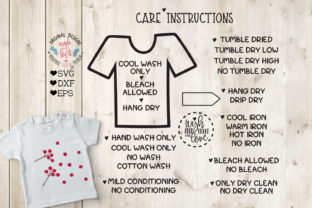
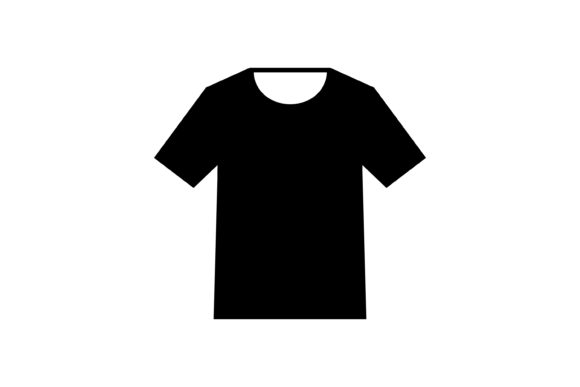
As someone who’s digitized and stitched hundreds of illustrations for clients—from Etsy sellers launching their first embroidered tote line to boutique owners refreshing nursery decor—I opened T Shirt Silhouette expecting simplicity. And it delivers: a single, smooth outline of a classic crew-neck t-shirt, no sleeves, no folds, no embellishment. It’s not playful or stylized; it’s quietly confident in its minimalism. That’s both its strength and its first test.
Where This Silhouette Feels Most at Home
I recently used T Shirt Silhouette as the central motif on a linen-cotton blend apron for a local coffee roaster’s staff gift set. No text, no logo—just the shape, centered above the pocket, stitched in matte black thread. The result? Instant recognition, zero visual noise, and a handmade product that looked intentional—not generic. That’s the sweet spot: custom apparel where subtlety reads as sophistication, not emptiness.
It also works beautifully as a personalized gift anchor—say, stitched beside a baby’s name on a onesie, or paired with a tiny heart or initial on a tea towel. Because it’s an illustration, not a photo or complex vector, it scales cleanly across sizes: large enough to read clearly on a sweatshirt chest, small enough to nestle neatly into a corner of a pillow cover without overwhelming.
What Happens When You Actually Stitch It
The clean lines translate well to embroidery—no jagged edges, no ambiguous curves. As a machine embroidery design, it’s forgiving: low stitch density (mostly satin stitch along the outer edge, light fill or running stitch inside if filled), minimal jump stitches, and no tight interior corners that snag or bunch. I ran it on mid-weight cotton poplin, fleece-lined sweatshirts, and even a slightly stretchy jersey knit (with tear-away + cut-away stabilizer combo)—and every time, the shape held its integrity.
That said, T Shirt Silhouette doesn’t “pop” on dark fabric unless you choose high-contrast thread. On navy twill or charcoal fleece, a cream or pale gray thread reads softly—not weakly, but quietly. That’s fine for boutique branding, less ideal for retail merchandise where shelf visibility matters. Always test it in black-and-white mockups first. See how it reads at 3 inches wide versus 5 inches. Ask: does it still feel like a t-shirt—or just an abstract oval?
Watch These Real-World Details
- Hoop size matters more than you think. At full scale (4.5–5"), it fits comfortably in a 5x7 hoop—but shrink it below 2.5", and the neckline curve starts losing definition. Not a dealbreaker, but worth noting for cap embroidery or tiny patches.
- Texture changes everything. On terry cloth towels or bouclé blankets, the outline softens. If you want crispness there, add a slight border stitch or use a denser satin stitch setting—don’t rely on the base file alone.
- Stretch + curve = gentle adjustment needed. For caps or curved seams, I lightly adjusted the top third of the silhouette in my embroidery software to ease tension. It’s not required—but it’s the kind of tweak a seasoned designer makes instinctively.
- No built-in applique or layered elements. T Shirt Silhouette is a flat graphic—ideal for clean, modern looks, but not for crafters wanting quick fabric-layered effects. If you’re planning an applique design, treat this as your base shape only, then build around it.
How It Shapes Customer Perception
Here’s what I’ve observed across dozens of small shop launches: customers trust simplicity when it’s executed with care. A well-stitched T Shirt Silhouette on a handmade tote signals intentionality—not “I grabbed a free graphic.” That builds perceived value, especially for premium-priced items like holiday embroidery gifts or wedding favors (think: monogrammed t-shirt shapes on linen napkins).
It also supports brand consistency. Because it’s a neutral illustration, it pairs effortlessly with custom typography, seasonal icons, or hand-drawn accents—without competing. One Etsy seller told me she uses T Shirt Silhouette as her shop’s “anchor icon” across listings, packaging stickers, and social banners. That cohesion helps buyers recognize her work instantly—even without her logo front and center.
Practical Designer Notes Before You Stitch
- Test T Shirt Silhouette on scrap fabric *first*—especially if using textured, stretchy, or dark materials.
- Check thread color contrast in natural light *and* under store lighting. What reads well on screen may disappear on garment.
- Review stitch density in your embroidery software. Some versions render the interior as solid fill; others leave it open. Decide based on your project: filled feels bolder, open feels lighter and more breathable.
- Confirm your hoop size matches your intended scale—and remember, smaller isn’t always better. Below 2", detail fades.
- Inspect corners and curves at 200% zoom. Look for any unintended overlaps or thinning areas in the satin stitch path.
- Use proper stabilizer: medium-weight cut-away for knits, tear-away for stable wovens, and a light fusible for delicate fabrics like rayon or silk blends.
- Verify licensing before selling finished products or digital embroidery files. Since T Shirt Silhouette is listed under Graphics, confirm whether commercial use is included—especially for Etsy sellers bundling it into kits.
Final Thought: Less Is Anchored, Not Empty
T Shirt Silhouette won’t wow with complexity—but it doesn’t need to. In a market flooded with overdesigned, cluttered graphics, its restraint becomes its utility. It works because it’s legible, scalable, and adaptable—not because it shouts. Whether you’re stitching a baby’s first personalized gift, building a cohesive line of boutique merchandise, or creating digital embroidery assets for resale, this silhouette holds space without demanding attention. That’s rare. And useful.